
The decline of the traditional newsagent and stationer is continuing according to a report from Parcelhero
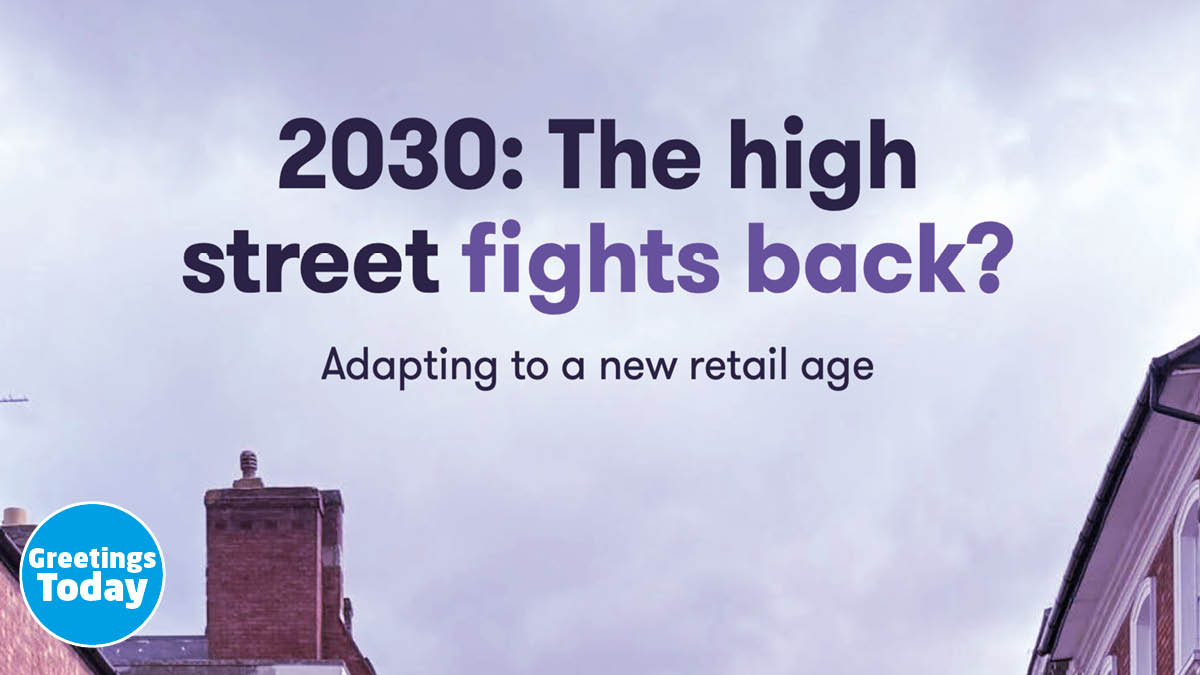
Parcelhero, which first highlighted the challenges facing the high street in its 2016 report The Death of the High Street, has revisited the issue in its latest report, 2030: The High Street Fights Back?
The report points to the difficulties experienced by several major names in the sector over the past decade. Paperchase entered administration in 2023, with Tesco acquiring its brand and intellectual property but none of its 106 stores. The Paperchase name now appears on products sold through supermarket shelves.
Clintons, meanwhile, has undergone several restructurings and store closures since 2019, while convenience and newsagent group McColl’s entered administration in 2022 before being acquired by Morrisons. The McColl’s name has since disappeared from the High Street.
Most recently, WHSmith’s former High Street estate was sold to the newly formed TG Jones. The business has subsequently undergone a court-approved restructuring, including plans to close around 150 of its 450 stores.
David Jinks M.I.L.T., author of Parcelhero’s 2016 report, said the latest developments demonstrated the continuing pressures facing the sector.
Britain’s newsagents and stationers have been under sustained pressure for the best part of a decade.
David Jinks M.I.L.T.
Independent retailers are also facing significant challenges. According to Parcelhero, newspaper and magazine cover prices have increased by more than 138% over the past decade, while independent retailers continue to face wholesale carriage charges typically amounting to £75-£80 per week.
The pressures have also been reflected in wider industry warnings. Insurer Simply Business has previously identified newsagents and stationers among the UK’s most endangered business types, with the trade potentially disappearing from the High Street by 2035.
Parcelhero’s full 2030: The High Street Fights Back? report is available online here.